US-Telnet & Legacy Delphi ToolsA collection of powerful Windows desktop utilities, custom automation wrappers, and legacy applications built using Delphi. These tools range from enterprise terminal emulators designed for customer support environments to custom code generators and utility scripts engineered to solve specific operational challenges. Engineering for Legacy EnvironmentsLong before modern web-based internal tools became standard, managing legacy mainframe and server infrastructure required robust, native desktop applications. These programs bridged the gap between raw, command-line environments (such as AS-400 systems running Unix) and customer support teams needing intuitive, user-friendly graphical interfaces. US-Telnet: Bridging the AS-400 GapOriginally developed for US-Unwired, US-Telnet was designed to wrap raw telnet protocols into a streamlined GUI for support staff handling phone accounts and server connections. Rather than forcing operators to memorize complex terminal commands, the application introduced a customizable **Command Bar** system that stored command sequences and mapped them to interactive buttons. It even featured its own internal scripting language to power custom buttons and menus, ensuring flexibility whenever new server commands were introduced. 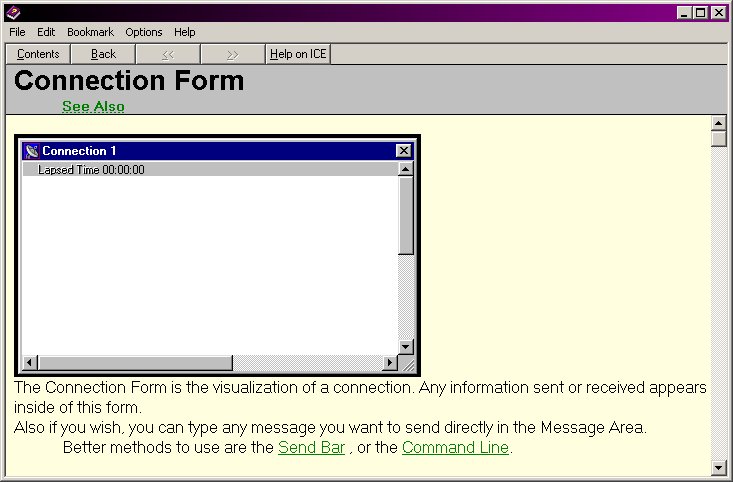 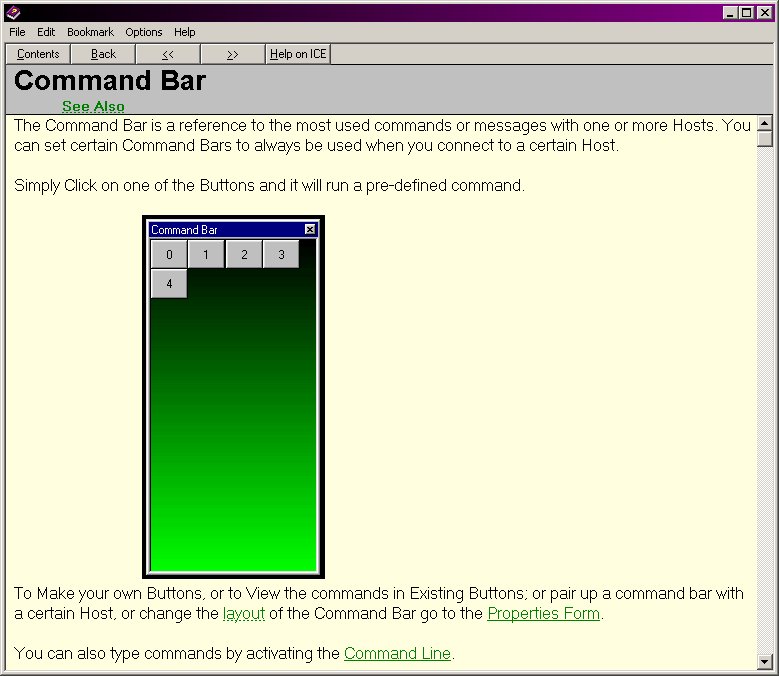 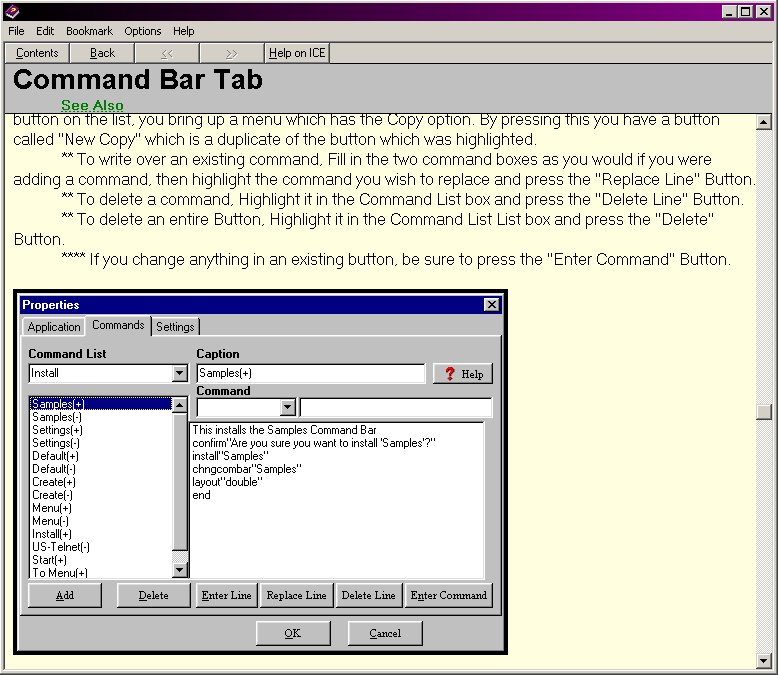 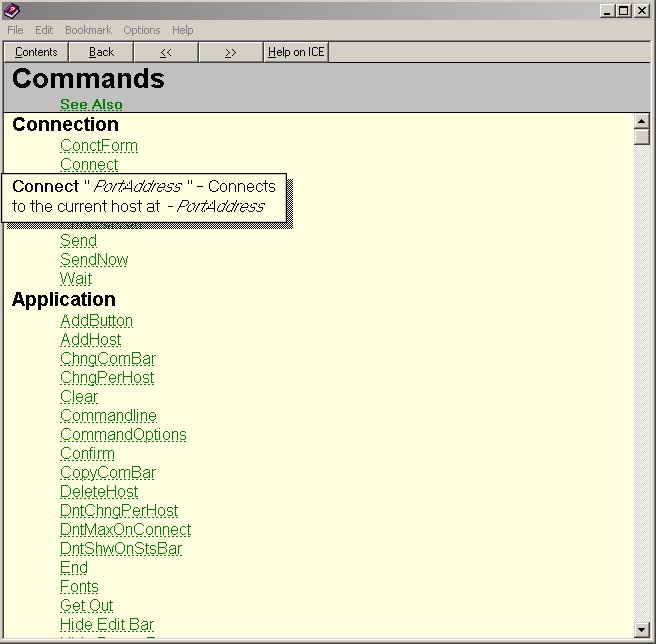 1 of 4
SQL Batch: Engineered for database batch processing using multiple SQL statements. It allows developers to chain a custom select statement together with dynamic update statement templates, featuring a visual count display and automated logging across separate database connections. 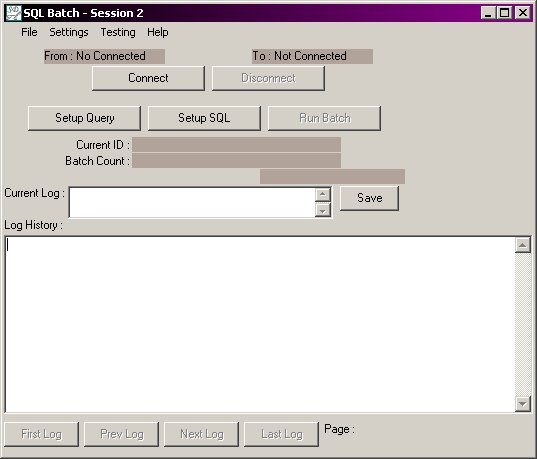 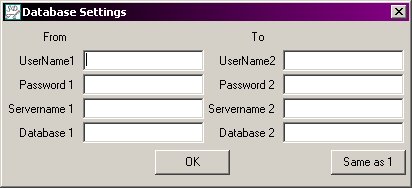 1 of 2
Back Change: A lightweight utility akin to a screensaver that dynamically manages desktop wallpaper backgrounds. It supports bulk folder imports, customizable change intervals, display styles, and random or sequential rotation via system tray controls. 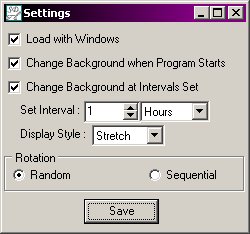 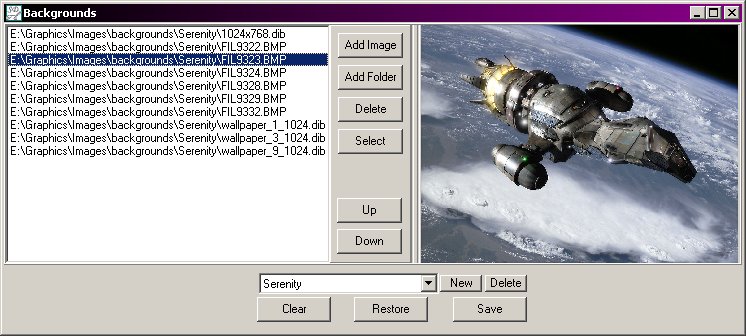 1 of 2
C.A.E.P. (Computer Artificial Intelligence Project): A two-player strategic board game akin to Othello built to explore AI decision-making algorithms, featuring fully resizable UI elements and variable difficulty scaling. 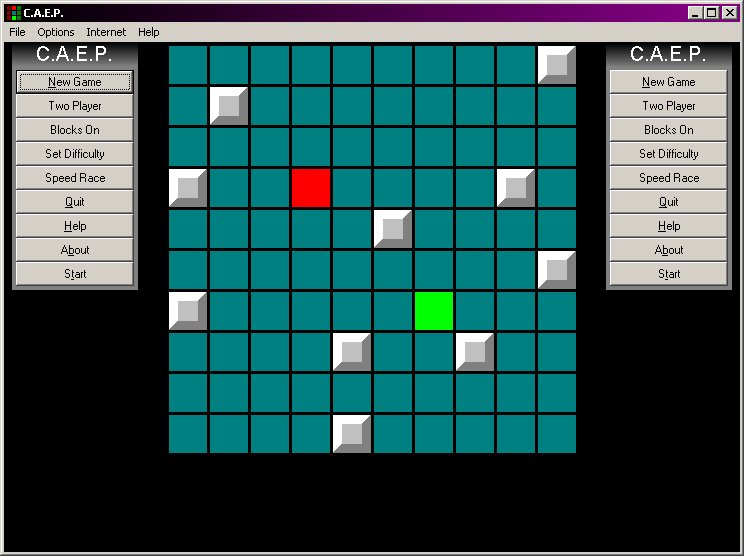 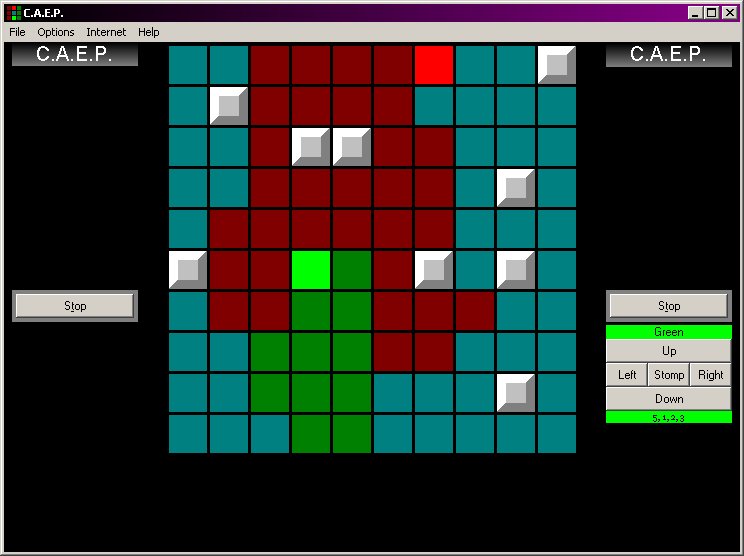 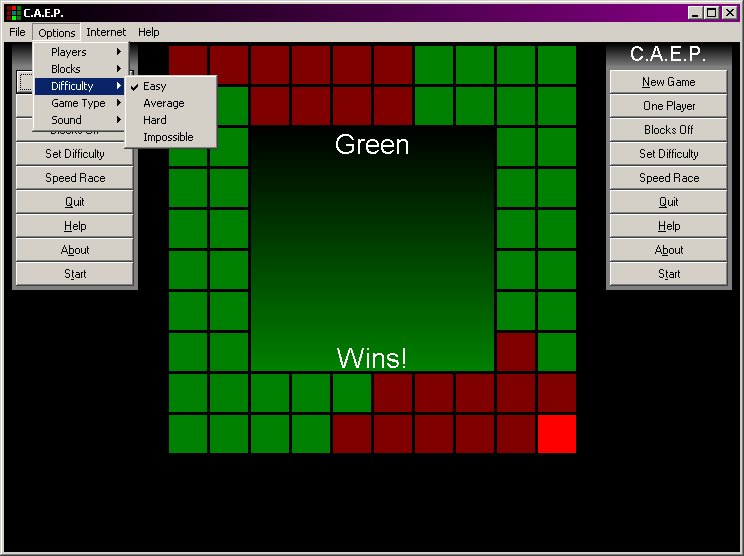 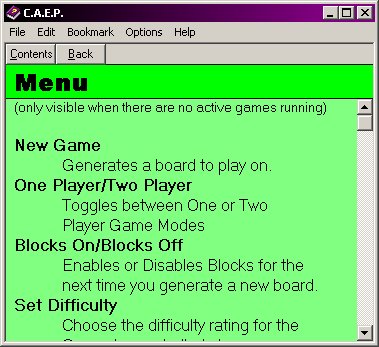 1 of 4
A Foundation in Rapid Tool DevelopmentWhile many of these tools were originally crafted to solve immediate, high-pressure operational bottlenecks in corporate environments, they highlight a long-standing philosophy: building dedicated utilities to automate repetitive tasks, streamline user workflows, and tame complex backend systems. |